Buying a JDM Car in the U.S.? 7 Things to Check Before You Commit
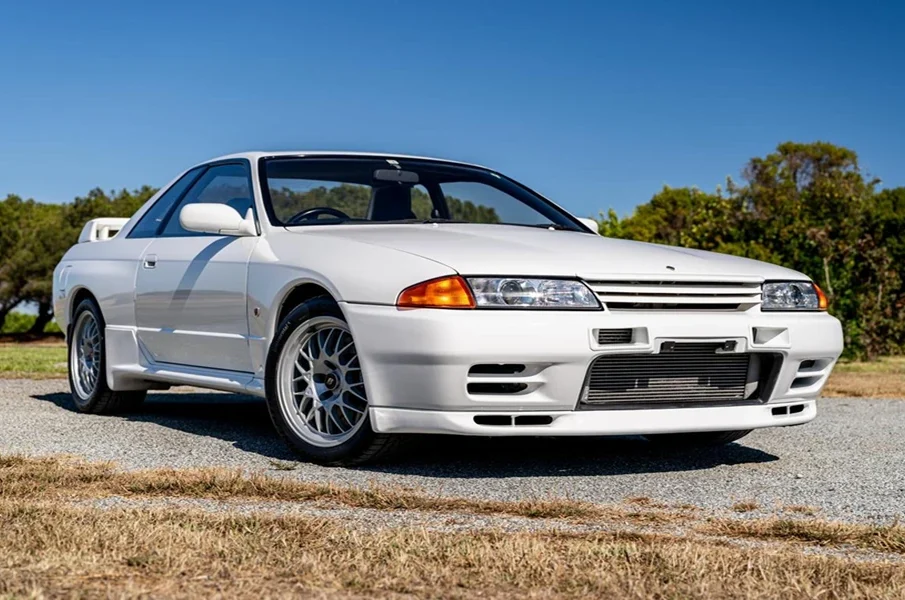
Owning a Japanese Domestic Market (JDM) car is an exciting prospect for automotive enthusiasts. From legendary Nissan Skylines to classic Toyota Supras and Mitsubishi Lancer Evolutions, these vehicles offer distinctive engineering, performance, and automotive history.
However, purchasing a JDM vehicle in the United States requires more preparation than buying a typical used car. Import documentation, mechanical condition, replacement parts, and financing arrangements can all influence whether a purchase becomes a rewarding ownership experience or an expensive headache.
Before committing to a classic Japanese import, consider these seven important factors.
1. Verify Import Legality and Vehicle Documentation
Not every vehicle originally sold in Japan can be legally imported and registered for road use in the United States.
Federal import requirements depend on factors including the vehicle’s age and compliance with applicable safety and environmental regulations. Vehicles that are at least 25 years old may qualify for an exemption from certain federal motor vehicle safety standards, although other requirements can still apply.
Before purchasing, request the available import paperwork, customs documentation, ownership records, and current title.
Check whether the vehicle identification information matches across documents. Japanese-market vehicles often use chassis identification numbers rather than the standard 17-character VIN found on modern U.S.-market vehicles.
Also, remember that federal import eligibility does not automatically guarantee registration in every state. Confirm your state’s requirements before exchanging money.
2. Research the Vehicle’s Mechanical Condition
A well-maintained Japanese performance car can be a pleasure to own, but appearance alone rarely tells the full story.
Many desirable JDM vehicles are decades old. Even examples with relatively low mileage may have deteriorating rubber seals, aging hoses, worn suspension components, or electrical issues.
Arrange an inspection with a mechanic familiar with the specific model whenever possible.
Pay particular attention to:
- Engine compression, leaks, and cooling-system condition.
- Transmission and differential operation.
- Rust around the underbody, wheel arches, and structural areas.
- Suspension wear and previous accident repairs.
- Aftermarket modifications and the quality of their installation.
Modified vehicles deserve additional scrutiny. Performance upgrades may be appealing, but poorly executed modifications can create reliability problems and complicate future maintenance.
A professional inspection may reveal issues that photographs and seller descriptions cannot communicate.
3. Understand Your Financing Options Before Shopping
Financing a classic Japanese import can differ from financing a newer, mainstream vehicle.
Some traditional auto lenders may have restrictions involving vehicle age, value, condition, or title history. As a result, buyers should investigate whether a particular vehicle qualifies for financing before making a purchase commitment.
For enthusiasts exploring a jdm car loan, understanding eligibility requirements, repayment terms, down payments, and total borrowing costs can help determine whether specialist financing suits the intended purchase.
Compare more than the advertised monthly payment. A longer repayment period may reduce monthly obligations but increase the total interest paid over the life of the loan.
Review the annual percentage rate, loan duration, fees, and any restrictions on early repayment.
Remember to leave room in your budget for insurance, registration, maintenance, and unexpected mechanical repairs.
4. Investigate Parts Availability and Maintenance Costs
One of the most overlooked aspects of JDM ownership is the availability of replacement components.
Although certain Japanese performance vehicles share parts with U.S.-market models, others use engines, transmissions, electronics, or body components that were never officially offered domestically.
Before buying, research the availability of essential maintenance items and model-specific replacement parts.
Contact specialist suppliers, independent repair shops, or established enthusiast communities to understand potential sourcing difficulties.
Shipping costs and delivery times can become important considerations when a component must be ordered internationally.
It is also worth identifying a qualified mechanic before purchasing the vehicle. Finding an experienced specialist after a breakdown can be much more stressful than establishing a service relationship in advance.
5. Check Insurance Options Before Finalizing the Purchase
Insurance requirements for imported Japanese vehicles may differ from those for ordinary passenger cars.
Some insurers may request additional documentation, information about modifications, or evidence supporting the vehicle’s value.
If the car is intended for occasional recreational driving rather than daily transportation, explore whether a collector-car insurance policy is appropriate.
Pay attention to how the insurer determines the vehicle’s value in the event of a covered total loss. Agreed-value and actual-cash-value policies can produce different outcomes.
Discuss annual mileage limits, storage requirements, permitted uses, and modification coverage before selecting a policy.
Getting insurance quotes early can prevent surprises after the purchase.
6. Evaluate the Seller and Vehicle History
Buying from a reputable specialist dealer may offer a different experience from purchasing through a private seller or auction.
Regardless of the sales channel, investigate the vehicle’s history and the seller’s credibility.
Ask for maintenance records, previous ownership information, and available auction or import documents.
For recently imported vehicles, determine who handled the import process and whether all required paperwork has been completed.
Be cautious when sellers refuse independent inspections, provide inconsistent documentation, or pressure you into making an immediate payment.
If purchasing remotely, consider using an independent inspection service before arranging payment or transportation.
A transparent seller should be willing to answer reasonable questions about the vehicle’s condition and history.
7. Think About Long-Term Ownership, Not Just the Purchase Price
The asking price represents only the beginning of the financial commitment.
A classic Japanese performance car may require specialized maintenance, suitable storage, periodic repairs, and additional attention to aging components.
Consider how frequently you intend to drive the vehicle and whether it will serve as a weekend car, show vehicle, or daily driver.
Your intended use will influence insurance choices, maintenance budgets, and the types of modifications worth considering.
Avoid assuming that a desirable model will automatically appreciate in value. Collector-car prices can fluctuate, and future resale demand is never guaranteed.
The most sustainable purchase is one that aligns with your interests, practical needs, and financial circumstances.
Conclusion
Buying a JDM car in the United States can be a rewarding experience for enthusiasts who appreciate Japanese automotive design and engineering.
However, careful research is essential. Import legality, vehicle condition, parts availability, insurance, financing, and ownership costs all deserve attention before committing to a purchase.
By verifying documentation, arranging an independent inspection, comparing financing arrangements, and planning for long-term maintenance, buyers can make more informed decisions and enjoy their vehicles with greater confidence.
The goal is not simply to find an exciting car at an attractive price. It is to choose a vehicle you can legally own, properly maintain, and comfortably afford for years to come.