Is Your Tyre Ready for India’s Monsoon Roads?
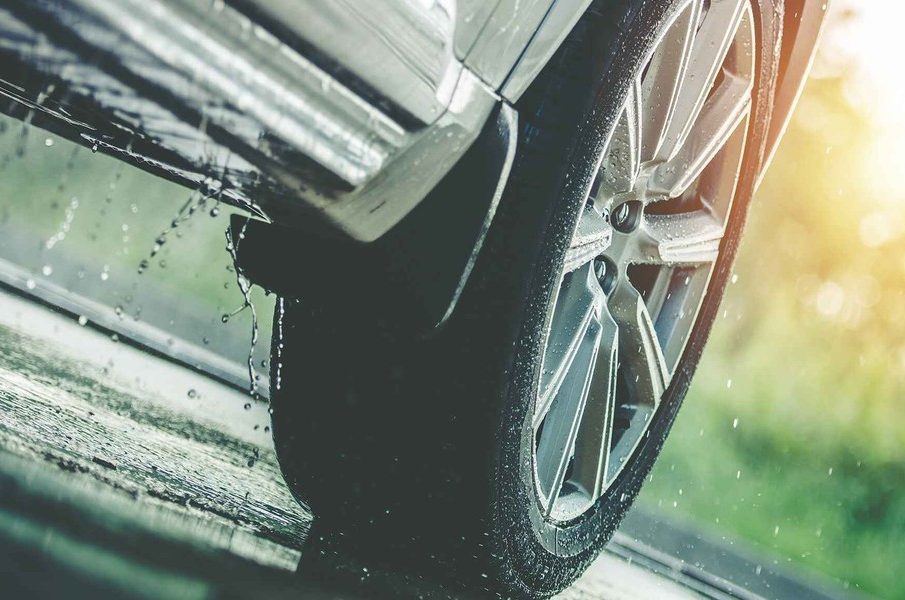
The monsoon turns India’s roads into a different world. City streets flood, hill roads get slippery, and every corner hides a puddle you didn’t see coming. It is exciting riding, but also demanding.
When the road is wet, the most important thing between you and the tarmac is your tyre. A good tyre for a bike in the rain grips, channels water away, and keeps you stable when conditions turn unpredictable.
Why Your Tyre for Bike Does More Work in the Rain
On a dry road, rubber grips tarmac naturally. Add rain, and a thin film of water builds up between the tyre and the surface. The tyre must push that water aside fast enough to stay in contact with the road.
Fail to do that, and you risk hydroplaning, where the tyre skims across standing water instead of gripping the road. You also get longer stopping distances, nervous steering, and less cornering confidence. A tyre that feels perfectly fine on a sunny day can behave unpredictably the moment it rains.
Checking Tread Depth on Your Tyre for Bike
The tread (the grooved rubber surface that physically touches the road) is your tyre’s water management system. Its channels carry water away from the contact patch (the small area where the rubber actually meets the road), keeping grip intact.
As a tyre wears down, those grooves get shallower. For monsoon riding, the minimum safe tread depth is 2-3 mm.
| Tread Depth | Status | What to Do |
| Below 2 mm | Unsafe | Replace before riding |
| 2-3 mm | Minimum safe | Replace soon |
| Above 3 mm | Good | Safe for monsoon use |
Every tyre carries a Tread Wear Indicator (TWI), a small raised section sitting at the base of a groove. When the tread surface is level with or below the TWI, the tyre needs replacing. You can also look at the grooves directly: if the centre section of the tyre looks smooth rather than grooved, the tread is nearly gone.
Damage, Age, and Pressure: Three More Essentials
Visual inspection
Look the tyre over carefully before riding in the rain. Check the sidewall (the vertical side surface between the tread and the wheel rim) and the tread face for:
- Cuts or cracks in the rubber
- Bulges on the sidewall (raised lumps that signal internal damage and require immediate replacement)
- Stones or debris stuck in the grooves
- Exposed cords beneath badly worn areas
- Uneven wear on one side
Tyre age
Even a tyre with decent tread can lose grip over time. Old rubber hardens and loses the flexibility it needs to grip a wet surface. If the rubber feels stiff and unyielding rather than slightly pliable, age may already be affecting wet-weather performance.
Tyre pressure
Traction (the grip between tyre and road) depends heavily on correct pressure. Too low, and the tyre flexes excessively and handles sluggishly. Too high, and the contact patch shrinks, meaning less rubber is actually touching the road. Check pressure when the tyres are cold, using your motorcycle manufacturer’s recommended figures. During monsoon season, make this a weekly habit.
Picking the Right Tyre for a Bike in the Rains
Once you know your current tyres need replacing, look for options with multiple drainage grooves and directional tread patterns (grooves arranged so the tyre funnels water outward as the wheel spins). These designs help maintain grip on wet surfaces.
Riders on larger machines often need specific sizes. A 150 60 r17 tyre, for example, fits several popular mid-capacity bikes.
Your Pre-Monsoon Tyre Safety Check
Before every ride this season, run through this list quickly:
- Tread depth is at least 2-3 mm
- No visible cracks, cuts, or bulges anywhere
- No stones or debris are embedded in the grooves
- Tyre pressure matches your manufacturer’s recommendation
- Rubber feels flexible, not stiff or brittle
- Alignment and wheel balancing were checked recently
Also, trust what you feel on the road. If cornering feels nervous, braking distances seem longer, or the rear slides on wet painted lines, your tyres may need attention before your next ride. A tyre that keeps you confident in the rain is always worth the investment.
Additional Monsoon Tyre Care Tips
To maximise tyre performance during the rainy season:
- Remove stones lodged in tread grooves
- Inspect tyres after riding through pothole-heavy routes
- Check valve stems for leaks
- Monitor tyre pressure more frequently
- Avoid sudden acceleration and harsh braking on wet roads
- Clean mud and debris from tyres after long rides
These simple habits can help maintain grip and extend tyre life throughout the season.
The Ultimate Monsoon Upgrade: Better Tyre Health
Monsoon rides can be among the most memorable motorcycling experiences in India, but they also demand greater attention to safety. Before planning your next ride, take time to inspect tread depth, tyre age, pressure, wear patterns, and overall condition.
A rain-ready tyre doesn’t just improve grip – it enhances braking, stability, confidence, and overall control when road conditions become unpredictable.
When the skies open up and the roads turn wet, your tyres become your motorcycle’s most important safety equipment. Make sure they’re ready for the season before you are.