
How to Know When Your Brakes Need Attention
When visiting a muffler shop, most people think of exhaust repairs or noise reduction, but many of these same automotive experts also handle one of the most crucial parts of vehicle safety: the brakes. Brakes are a system often taken for granted until something feels off, yet they are vital for every drive, every stop, and every sense of control behind the wheel. Recognizing early warning signs can mean the difference between a simple repair and an expensive or dangerous failure. The key lies in noticing subtle changes in sound, feel, or performance before they escalate. Understanding what your car is trying to tell you ensures smoother drives, lower maintenance costs, and, most importantly, safety for everyone on the road.
Squeaks, Squeals, and Grinding: What the Sounds Mean
Strange noises are one of the first clues that brakes need attention. A high-pitched squeak when slowing down is often a built-in warning indicator, most modern brake pads contain a small metal strip that emits a squeal once the pads are worn thin. It’s the manufacturer’s way of signalling that replacement is due. Ignoring it can lead to metal-on-metal contact, causing damage to rotors and significantly reducing stopping power. Visiting a trusted muffler shop for inspection at this stage prevents costly repairs and ensures the braking system remains reliable.
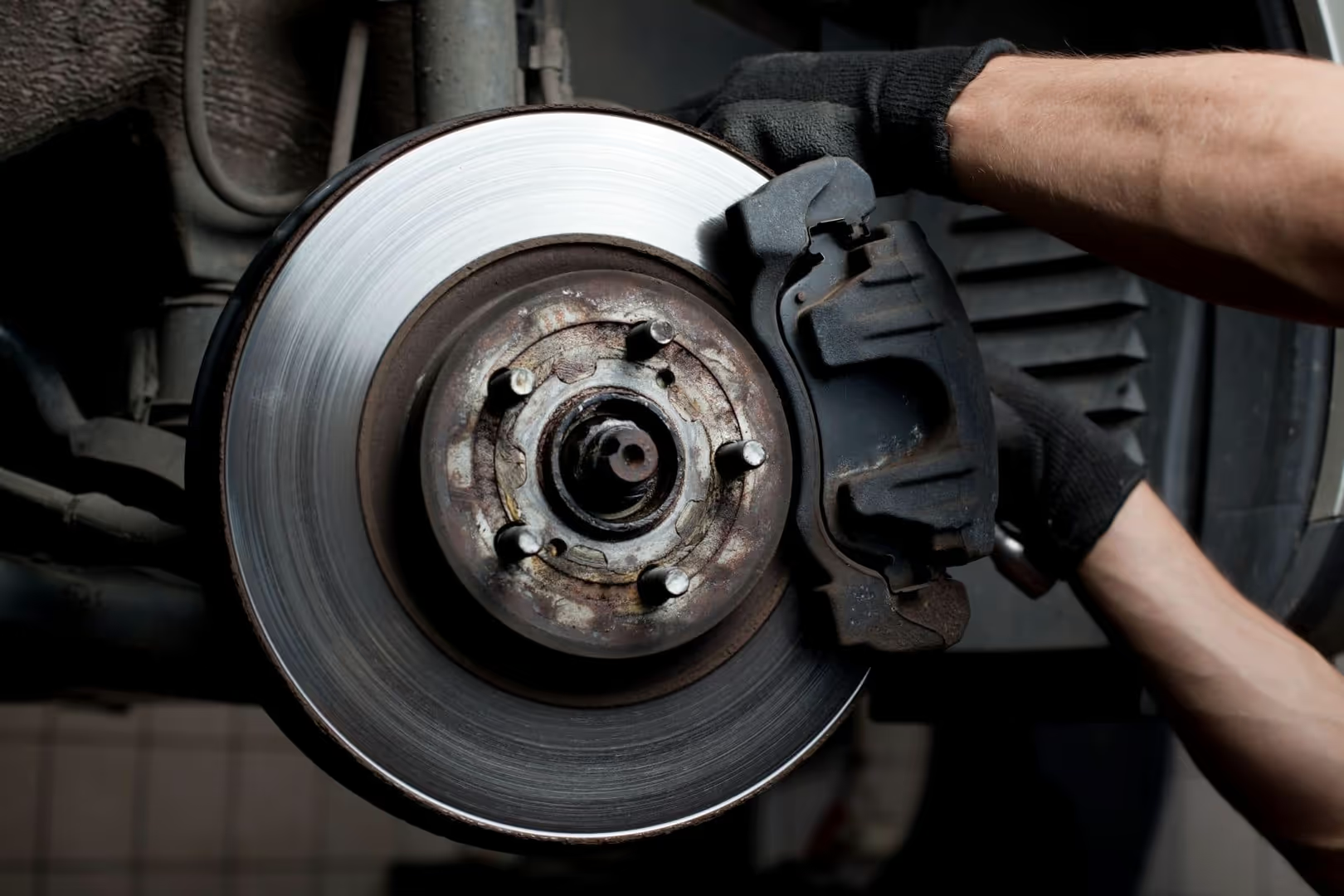
Grinding sounds, on the other hand, usually indicate that brake pads are completely worn down. When that happens, the exposed metal of the calliper presses against the rotor, creating friction that damages both parts. This not only compromises braking efficiency but can also warp the rotors, leading to vibrations or pulsations when stopping. Once grinding occurs, immediate service is essential to restore safe operation. Addressing brake noises early keeps repair costs low and avoids unnecessary risks on the road.
Changes You Can Feel
The way brakes feel underfoot can reveal just as much as how they sound. A soft or spongy brake pedal often means there’s air or moisture in the brake lines, which reduces the system’s hydraulic pressure. This problem requires professional bleeding or flushing to remove the air and restore firm, responsive braking. A trip to a muffler shop equipped for brake maintenance ensures the system is properly sealed and pressurized. Mechanics can also check for leaks or damaged hoses that may be contributing to the issue.
Vibrations, shuddering, or pulsing when applying brakes often point to warped rotors or uneven brake pad wear. These problems don’t just affect comfort, they also lengthen stopping distances and strain the suspension system. A trained technician can resurface or replace the rotors as needed, restoring smooth operation. Any noticeable change in pedal resistance, response time, or overall feel should never be ignored. Small irregularities tend to worsen quickly, turning simple maintenance into major repairs.
When Stopping Takes Longer
One of the most obvious but often overlooked signs of brake trouble is a longer stopping distance. If you need to press the pedal harder or notice the car taking more time to come to a full stop, it’s time for inspection. This symptom may indicate worn pads, low brake fluid, or even a failing master cylinder. Any delay in braking response increases the risk of collisions, especially in sudden or emergency stops. Having a muffler shop perform a detailed brake system check ensures that every component is functioning correctly and efficiently.
Reduced stopping power can also be caused by contamination. Oil, grease, or road debris on rotors can create a slick surface that prevents proper friction. Similarly, overheating, often from aggressive driving or towing heavy loads, can lead to brake fade, where the pads temporarily lose their grip. A technician can clean, lubricate, and adjust the system to restore optimal braking. Maintaining clean, well-functioning brakes means consistent control no matter the driving conditions.
Warning Lights and Fluid Levels
Modern vehicles are equipped with dashboard indicators that monitor brake performance, but these warning lights are sometimes misunderstood or ignored. The brake warning light can illuminate for several reasons, including low fluid, worn pads, or an issue with the anti-lock braking system (ABS). When this light appears, it’s best to treat it as an immediate signal to book an appointment at a muffler shop or mechanic. Technicians use diagnostic tools to pinpoint the cause quickly and accurately, preventing minor concerns from developing into safety hazards.
Checking brake fluid is also a simple but crucial step in maintaining system health. The fluid transfers force from the pedal to the brakes themselves, making it essential for responsive stopping. Over time, it can absorb moisture, reducing its effectiveness and causing corrosion in brake lines. Regularly topping up and replacing old fluid as recommended by the manufacturer helps preserve performance. A quick inspection at a muffler shop ensures the fluid is clean, clear, and at the right level for safe operation.
Pulling, Dragging, or Burning Smells
If your vehicle pulls to one side when braking, it’s a sign that the pressure or friction on one side of the system is uneven. This may result from a stuck calliper, worn pads, or contaminated fluid. Left unchecked, it can cause uneven wear on both the brakes and tires. A qualified technician at a muffler shop can quickly diagnose which component is misaligned or seized, restoring balance and preventing further strain on the suspension system. Smooth, symmetrical braking is essential for maintaining full control of the vehicle, especially in emergency situations.
Another red flag is the smell of burning when applying brakes, often caused by overheated pads or fluid. This occurs when the brakes are used aggressively for long periods, such as on steep descents or in heavy traffic. If the smell persists, it could signal that the callipers are not releasing properly, causing the pads to stay in contact with the rotors. Continuing to drive in this condition risks severe damage. Immediate inspection ensures the system cools properly and prevents costly replacements.
The Value of Routine Inspections
While brakes are designed to be durable, regular maintenance is essential to keep them performing safely and efficiently. A general rule is to have them checked at least once a year or every 20,000 kilometres, though driving style and conditions can influence wear. Frequent city driving, towing, or navigating hilly terrain can accelerate deterioration. A reputable muffler shop can measure pad thickness, inspect rotors, and check hydraulic lines to catch potential issues early. Preventive care saves time, money, and stress in the long run.
Many muffler shops now offer full-service packages that include brake inspections alongside exhaust and suspension checks. This holistic approach ensures every part of the vehicle’s safety system is functioning properly. Investing in routine care not only extends the lifespan of the brakes but also improves fuel efficiency and handling. By keeping the entire braking system in top condition, drivers enjoy greater confidence on the road regardless of weather or traffic conditions.
Why Professional Service Matters
DIY repairs might seem tempting, but braking systems are complex and require precise calibration. Each vehicle has different requirements for pad type, fluid grade, and torque specifications. A muffler shop staffed with certified technicians uses specialized tools and diagnostic equipment to ensure accuracy. Professional service guarantees that components are replaced correctly, that rotors are properly aligned, and that the hydraulic system remains leak-free. These small details make the difference between adequate stopping power and full, reliable performance.
Technicians also perform road tests after completing repairs to confirm that the brakes engage smoothly and consistently. This ensures peace of mind and safety before returning the vehicle to daily use. By trusting professionals, drivers not only protect their vehicles but also maintain the integrity of a system that directly affects every trip. The assurance of expert care far outweighs the risks of attempting shortcuts when it comes to something as vital as braking.
Stop Problems Before They Start
Brakes rarely fail without warning, they communicate through sounds, sensations, and performance changes. Paying attention to these early signs and scheduling inspections at a trusted muffler shop ensures small issues are fixed before they become dangerous. From squeaks and vibrations to dashboard lights and burning smells, every clue matters. Regular maintenance not only protects your vehicle but also safeguards everyone who shares the road. When it comes to safety, stopping power isn’t just a feature, it’s a responsibility.